Tag Archives: Photos

Eagle Nabula

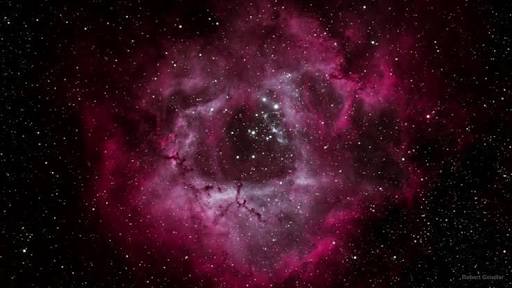
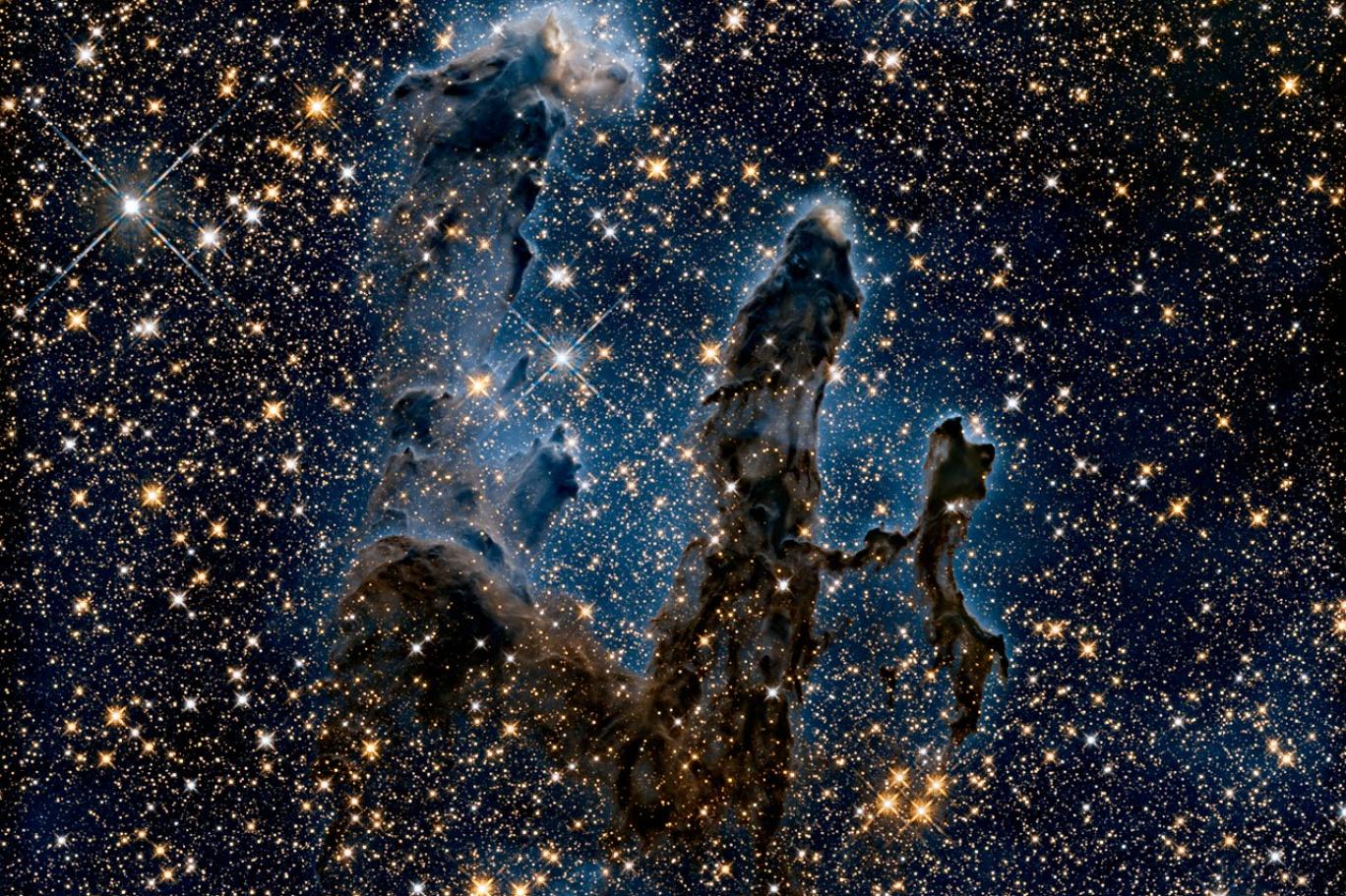
زمین سے 5700 نوری سال کی دوری پر واقع ایگل نیبولا کی یہ تصویر خصوصی تکنیک کے ذریعے حاصل کی گئی ہے جس میں خلائی دوربین ہبل اور ایکس رے دوربین چندرا کا ڈیٹا استعمال کیا گیا۔

1995 میں اسی نیبولا کی ایک تصویر لی گئی تھی جسے ’تخلیق کے ستون‘ کا نام دیا گیا تھا اور یہ خلا کی مشہور ترین تصاویر میں سے ایک ہے۔

تاہم اب سائنس دانوں نے عام روشنی کی بجائے انفرا ریڈ شعاعوں سے کام لے کر یہ تصویر کھینچی ہے۔

نیبولا سے مراد خلا میں ستاروں کے درمیان پھیلی ہوئی گرد ہے، جو اکثر اوقات ہائیڈروجن، ہیلیئم اور دوسری گیسوں پر مشتمل ہوتے ہیں۔

ان بادلوں کو ستاروں کی نرسریاں کہا جاتا ہے کیوں کہ ان کے اندر نئے ستارے جنم لیتے ہیں۔ ان بادلوں کے ذرے کششِ ثقل کی وجہ سے قریب آتے جاتے ہیں، اور آپس میں ٹکرا کر گرم ہوتے رہتے ہیں۔ اگر ان کا وزن اور درجۂ حرارت ایک خاص حد تک پہنچ جائے تو نیا ستارہ جنم لیتا ہے۔

سائنس دانوں کا خیال ہے کہ ہمارا اپنا سورج اور نظامِ شمسی آج سے تقریباً ساڑھے چار ارب سال قبل اسی قسم کے ایک نیبولا سے وجود میں آئے تھے۔

تصویر میں دکھائے دینے والے بادل پانچ نوری سال کے علاقے میں پھیلے ہوئے ہیں۔ یہ فاصلہ تقریباً 470 کھرب کلومیٹر بنتا ہے۔

آس پاس کے ستاروں سے نکلنے والی شعاعوں اور تابکاری کی وجہ سے یہ بادل مسلسل شکل تبدیل کر رہے ہیں، اس لیے ان کی جب بھی تصویر لی جائے، یہ تھوڑی سے مختلف نظر آتے ہیں

Neutron Star

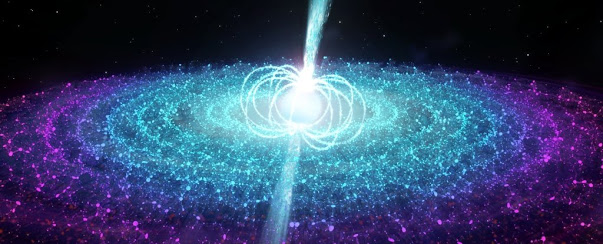
Another type of neutron star is called a magnetar. In a typical neutron star, the magnetic field is trillions of times that of the Earth’s magnetic field; however, in a magnetar, the magnetic field is another 1000 times stronger.

In all neutron stars, the crust of the star is locked together with the magnetic field so that any change in one affects the other. The crust is under an immense amount of strain, and a small movement of the crust can be explosive. But since the crust and magnetic field are tied, that explosion ripples through the magnetic field. In a magnetar, with its huge magnetic field, movements in the crust cause the neutron star to release a vast amount of energy in the form of electromagnetic radiation. A magnetar called SGR 1806-20 had a burst where in one-tenth of a second it released more energy than the sun has emitted in the last 100,000 years!

Dark Nebula

*DARK NEBULA*
A dark nebula or absorption nebula is a type of interstellar cloud that is so dense that it obscures the visible wavelengths of light from objects behind it, such as background stars and emission or reflection nebulae. The extinction of the light is caused by interstellar dust grains located in the coldest, densest parts of larger[clarification needed] molecular clouds. Clusters and large complexes of dark nebulae are associated with Giant Molecular Clouds. Isolated small dark nebulae are called Bok globules. Like other interstellar dust or material, things it obscures are only visible using radio waves in radio astronomy or infrared in infrared astronomy.

Dark clouds appear so because of sub-micrometre-sized dust particles, coated with frozen carbon monoxide and nitrogen, which effectively block the passage of light at visible wavelengths. Also present are molecular hydrogen, atomic helium, C18O (CO with oxygen as the 18O isotope), CS, NH3 (ammonia), H2CO (formaldehyde), c-C3H2 (cyclopropenylidene) and a molecular ion N2H+ (diazenylium), all of which are relatively transparent. These clouds are the spawning grounds of stars and planets, and understanding their development is essential to understanding star formation.

The form of such dark clouds is very irregular: they have no clearly defined outer boundaries and sometimes take on convoluted serpentine shapes. The largest dark nebulae are visible to the naked eye, appearing as dark patches against the brighter background of the Milky Way like the Coalsack Nebula and the Great Rift. These naked-eye objects are sometimes known as dark cloud constellations and take on a variety of names.

In the inner outer molecular regions of dark nebulae, important events take place, such as the formation of stars and masers.

Earth

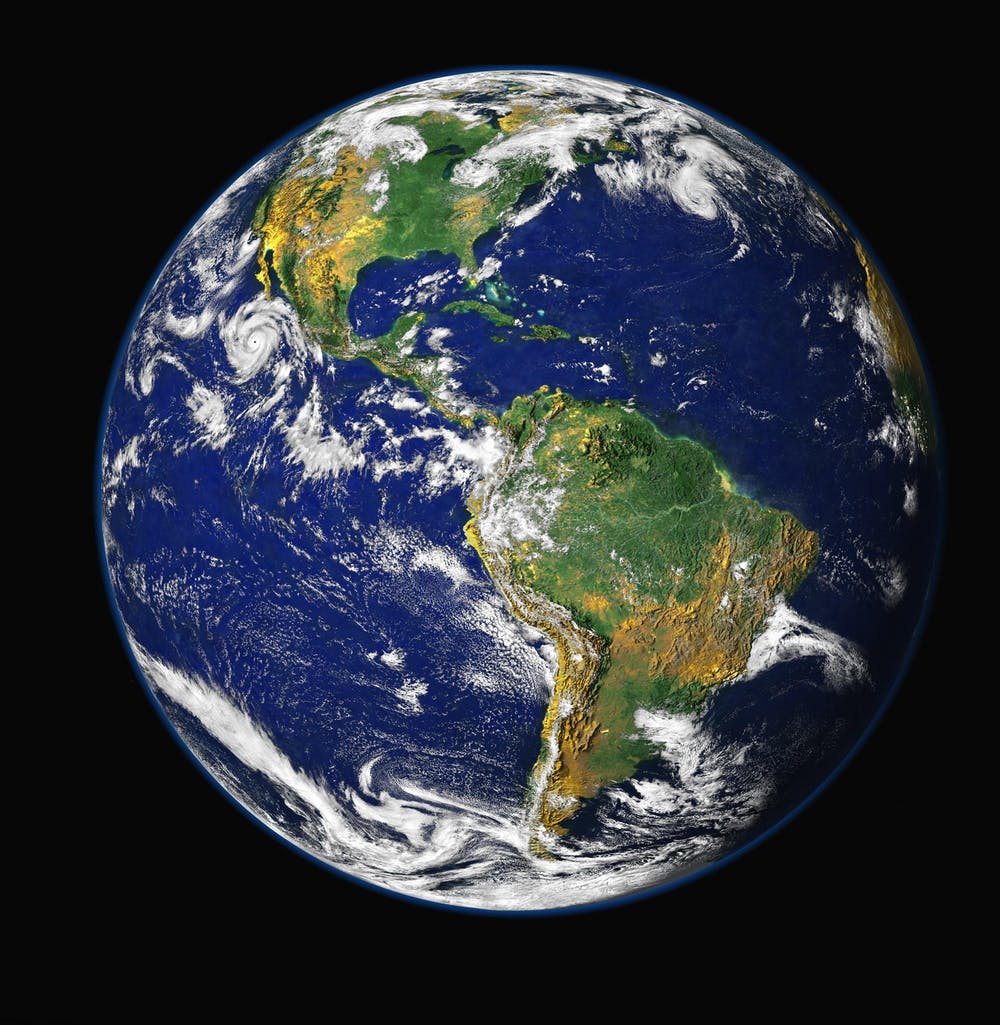
Humans have known that Earth is round for more than 2,000 years! The ancient Greeks measured shadows during summer solstice and also calculated Earth’s circumference. They used positions of stars and constellations to estimate distances on Earth. They could even see the planet’s round shadow on the moon during a lunar eclipse. (We still can see this during lunar eclipses.)

Today, scientists use geodesy, which is the science of measuring Earth’s shape, gravity and rotation. Geodesy provides accurate measurements that show Earth is round. With GPS and other satellites, scientists can measure Earth’s size and shape to within a centimeter. Pictures from space also show Earth is round like the moon.

Even though our planet is a sphere, it is not a perfect sphere. Because of the force caused when Earth rotates, the North and South Poles are slightly flat. Earth’s rotation, wobbly motion and other forces are making the planet change shape very slowly, but it is still round.

Polar Star. Direction Of Qibla

ستاروں کے ذریعے قبلہ کس طرح معلوم کیا جاتا ہے ؟؟

آپ نے سنا ہی ہوگا کہ پہلے زمانے میں اور اب بھی بعض جگہوں پر ستاروں کے ذریعے راستے معلوم کرتے ہیں اور بعض لوگ ستاروں کے ذریعے وقت بھی معلوم کرتے ہیں لیکن ستارے دیکھ کر یہ کس طرح معلوم ہوگا کہ راستہ کس طرف جاتا ہے ؟؟ وقت کیا ہورہا ہے ؟؟ اور قبلہ کس جانب ہے ؟؟
مختصر یہ کہ آسمان پر ستارے کافی زیادہ ہیں قدیم ماہرین فلکیات نے ان ستاروں کو چند گروپ میں تقسیم کرکے نام رکھ دئے ہیں جن کو کانسٹیلیشن Constellation یا ستاروں کے جھمکے کہا جاتا ہے ۔ یہ جھمکے سال کے مختلف اوقات میں مشرق سے مغرب کی طرف حرکت کرتے ہوئے دکھائی دیتے ہیں۔
اگر ان جھمکوں کے صحیح مقامات اور طلوع و غروب کے اوقات کو یاد کرلیں تو ہمیں ان سے سمت Direction , سمت قبلہ اور اوقات کا تعین کرنا آسان ہوجائے گا ۔۔

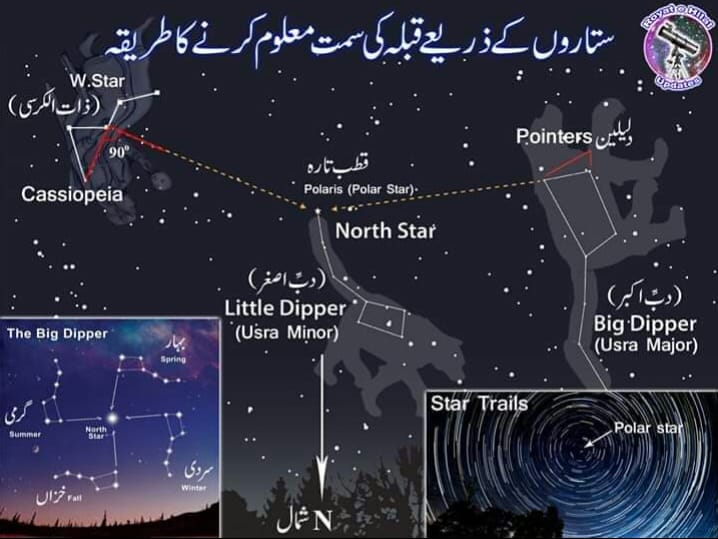
ستاروں میں سے قطب تارہ (جسے North Star یا Polaris بھی کہتے ہیں) زمین کی شمالی جانب کی نشاندہی کرتا ہے جس کی وجہ سے ہمیں شمال کے رخ کا تعین ہوجاتا ہے اور اس سے قبلہ بھی معلوم کیا جاسکتا ہے.
اب اس قطب ستارے کو کیسے تلاش کیا جائے؟

دو جھمکے ایسے ہیں جن سے ہم قطب تارے تک پہنچ سکتے ہیں:

1. دبِّ اکبر (Big Dipper یا Usra Major)

قطب تارہ کو پہچاننے میں مدد دینے والے سات ستاروں پر مشتمل ایک جھرمٹ کا نام دبِّ اکبر ہے ، اس کی شکل ہل یا چمچہ کی طرح ہے ، اس جھمکے میں پہلے دو ستارے ہمیشہ قطب تارہ کی سیدھ میں رہتے ہیں، اس لیے ان دو ستاروں کو دلیلین، پوائنٹرز (Pointers) کہتے ہیں، دلیلین کے درمیانی فاصلے کو اگر پونے پانچ گنا بڑھا دیا جائے تو قطب تارے تک پہنچا جا سکتا ہے. (پوسٹ کی تصویر دیکھیں)
دب اکبر گویا ایک ریچھ ہے جس کی گردن میں رسی ڈال کر کھونٹے (کیل) سے باندھ دی گئی ہو اور وہ کھونٹے کے گرد چکر لگا رہا ہے ، وہ کھونٹا قطبی تارہ Polar Star ہے۔

2. ذات الکرسی (کیسیوپیا، W-Star ,Cassiopeia):

قطب تارے کو پہچاننے میں مدد دینے والا دوسرا مشہور جھمکا “ذات الکرسی” ہے ، یہ جھمکا انگریزی حرف “W” کی شکل سے ملتا جلتا ہے، ڈبلیو کی کھلی جانب کا رخ ہمیشہ قطب تارہ کی طرف رہتا ہے، اس کے پہلے اور تیسرے (یا پہلے اور چوتھے) ستارے کو ملا کر اس پر 90 درجے کا زاویہ بنائیں تو سامنے قطبی ستارہ نظر آئے گا پوسٹ کی تصویر سے یہ بات سمجھی جا سکتی ہے.
اب قطب تارے کے بارے میں چند ضروری باتیں:

1. جس طرح تمام ستاروں کا درمیانی فاصلہ ہمیشہ برابر رہتا ہے اسی طرح ذات الکرسی اور دب اکبر دونوں جھمکوں کا فاصلہ ہر موسم میں پورے سال قطب تارہ سے برابر رہتا ہے ، ذات الکرسی اگر قطب تارہ کی تقریباً ایک طرف تو دب اکبر قطب تارہ کی دوسری طرف نظر آئے گا۔
(پوسٹ کی تصویر میں دب اکبر اور ذات الکرسی کے مقام کا سال کے چار موسم میں فرق دکھایا گیا ہے ..)

2. قطب تارہ بظاہر ساکن رہتا ہے جبکہ دب اکبر اور ذات الکرسی (Anticlock wise) مخالف گھڑی وار سمت میں (یعنی ہمارے دائیں سے بائیں) قطب تارہ کے گرد چکر لگاتے رہتے ہیں۔

3. ان دو جھمکوں میں سے ایک مشرق اور دوسرا مغرب کو ہوتا ہے تو اس وقت یہ دونوں جھمکے نظر آتے ہیں لیکن جب ایک جھمکا قطب تارہ کے اوپر اور دوسرا نیچے یعنی افق کی طرف ہوتا ہے تو اس وقت وہ جھمکا نظر آتا ہے جو قطب تارہ کے اوپر ہوتا ہے اور دوسرا جھمکا افق سے نیچے ہونے کی وجہ سے دکھائی نہیں دیتا ..

4. ان دو جھمکوں میں سے کوئی ایک جھمکا ہر موسم اور رات کے ہر حصے میں ضرور دکھائی دیتا ہے۔

5. قطب تارہ کی طرف رخ کر کے کھڑے ہو جائیں تو دائیں ہاتھ کی طرف مشرق اور بائیں ہاتھ کو مغرب ہوگا، کیوں کہ قطب تارہ زمین کے شمالی قطب کی نشاندہی کرتا ہے اور جب آپ شمال کا تعین کرلیں گے تو ۹۰ کے زاوئے پر دائیں جانب مشرق اور بائیں جانعب مغرب ہوگا اور عین پچھے جنوب ہوگا. برصغیر پاک و ہند کا قبلہ مغرب ہی کو ہے لہذا اس طرح قبلے کا تعین ہوجائے گا اور جن علاقوں کا قبلہ مغرب سے کچھ ہٹ کر ہے ان علاقوں کے لئے پہلے آپ کو وہاں کے قبلے کے درجات کا مغرب سے فرق معلوم کرنا ہوگا پھر قبلے کا تعین کرسکیں گے.
واضح رہے اس طریقے سے آپ صرف قبلے کے رخ کا اندازہ کرکے اپنی عبادت انجام دے سکیں اگر کہیں مسجد کے لئے قبلے کا تعین مقصود ہوتو اس کے لئے سورج کے سائے کے ذریعے یا ایک اچھے قبلہ نما کمپاس Compass کے ذریعے قبلے کا تعین زیادہ مناسب ہے تاکہ عین قبلہ کی طرف رخ ہوجائے اورغلطی کا امکان نہ ہو.

6. قطب تارہ کا افق سے جتنا ارتفاع (بلندی Altitude ) ہوتا ہے اس مقام کا عرض Latitude بھی تقریباً اتنا ہی ہوتا ہے.

7. قطب تارہ بذات خود “دب اصغر” نامی جھمکے کا ایک فرد ہے ، دب اصغر کی شکل بالکل دب اکبر جیسی ہے ، اکبر و اصغر کا یہ فرق خصوصاً ملحوظ رکھنا چاہیے۔

8. قطب تارہ بظاہر ساکن ہے مگر در حقیقت وہ ایک چھوٹے سے دائرے میں حرکت کرتا ہے اور عام ستاروں کی طرح 23 گھنٹے 56 منٹ میں ایک چکر مکمل کر لیتا ہے ، اس حرکت کے دوران وہ کبھی سماوی قطب شمالی کے مشرق میں کبھی مغرب میں کبھی انتہائی بلندی پر کبھی انتہائی پستی پر ہوتا ہے ۔

9. قطب تارے کے انتہائی بلندی اور انتہائی پستی پر ہونے کی پہچان کا آسان طریقہ یہ ہے کہ جب ذات الکرسی کا آخری ستارہ قطب تارے کے اوپر پہنچ جائے اس وقت وہ انتہائی بلندی پر ہوتا ہے اور جب دب اکبر کا آخری ستارہ قطبی تارے سے تھوڑا سا آگے مغرب کی جانب چلا جائے تو اس وقت قطبی تارہ انتہائی پستی پر ہوتا ہے۔

بحوالہ: تفہیم الفلکیات، صفحہ نمبر 73
تالیف: مولانا اسد اللہ شہباز (رکن شعبہ فلکیات جامعةالرشید)

ستاروں کے جھمکے Constellations کیا ہیں؟

پوسٹ میں ایک طرف گھومتے ہوئے ستاروں کی تصویر دکھائی گئی ہے ….
آپ نے اکثر اس طرح کی تصاویر دیکھی ہوں گی جس میں آسمان پر ستارے گھومتے ہوئی دکھائے جاتے ہیں.
یہ ایک خاص قسم کی تصویر سازی Photography ہے جس میں کیمرے کے Exposure Time کو بڑھایا جاتا ہے جس کی وجہ سے ان تاروں کی حرکت ایک لکیر کی صورت میں دکھائی دیتی ہے یہ اس وجہ سے کہ چونکہ ہماری زمین اپنے محور کے گرد مغرب سے مشرق کی سمت گھومتی ہے جس کی وجہ سے ہمیں ستارے مشرق سے طلوع و مغرب میں غروب ہوتے دکھائی دیتے ہیں ستاروں کی ایسی تصویر زمین کی گردش ظاہر کرتی ہے اور چونکہ قطب تارہ کبھی غروب نہیں ہوتا اور ہمیشہ شمال کی سمت میں ہی رہتا ہے اسی وجہ سے وہ اس تصویر میں گھومتے ستاروں کے درمیان میں نظر آرہا ہے …
ایسی تصاویر کو Star Trails کہا جاتا ہے.
Stellar Evolution

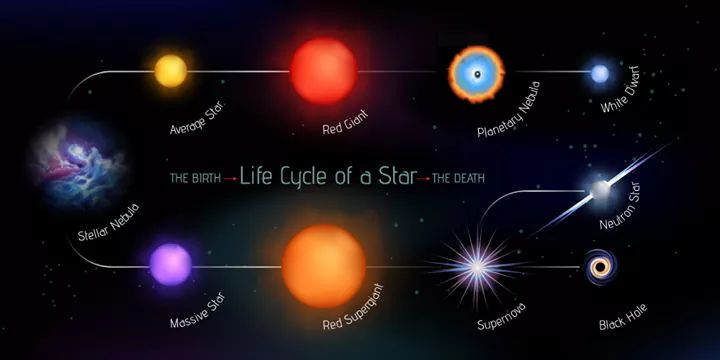
Stellar Evolution – The Birth, Life, and Death of a Star:
The Milky Way Galaxy contains several hundred billion stars of all ages, sizes and masses. A typical star, such as the Sun, radiates small amounts of X-rays continuously and larger bursts of X-rays during a solar flare.

The Sun and other stars shine as a result of nuclear reactions deep in their interiors. These reactions change light elements into heavier ones and release energy in the process. The outflow of energy from the central regions of the star provides the pressure necessary to keep the star from collapsing under its own weight.

A star collapses when the fuel is used up and the energy flow from the core of the star stops. Nuclear reactions outside the core cause the dying star to expand outward in the “red giant” phase before it begins its inevitable collapse.

If the star is about the same mass as the Sun, it will turn into a white dwarf star. If it is somewhat more massive, it may undergo a supernova explosion and leave behind a neutro

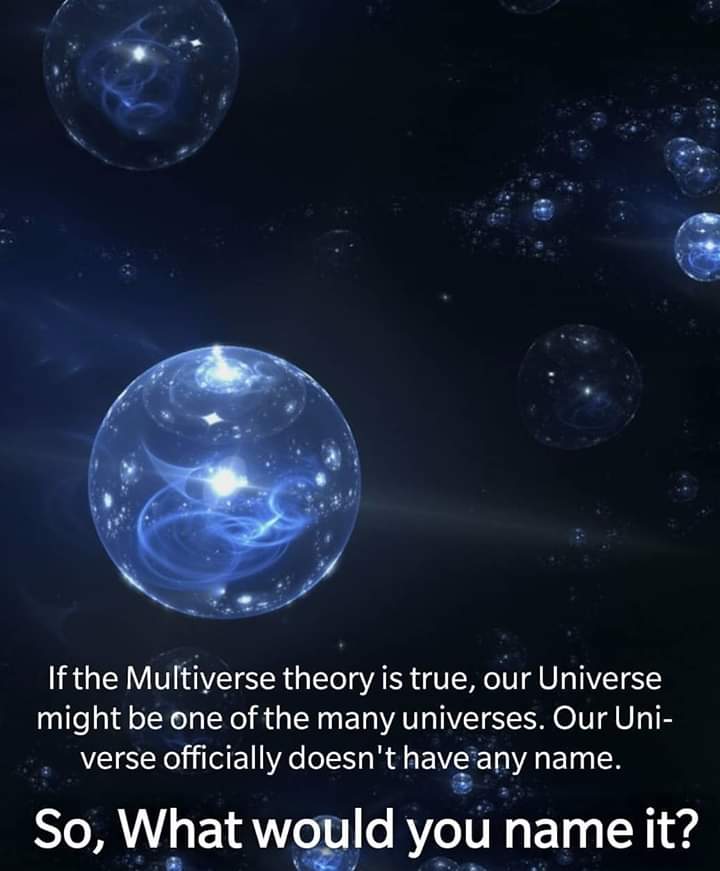
Multiverse

The multiverse also known as omniverse or meta-verse, is a hypothetical group of multiple universes. Together, these universes comprise everything that exists: the entirety of space, time, matter, energy, and the physical laws and constants that describe them.The different universes within the multiverse are called “parallel universes”, “other universes”, or “alternate universes”.

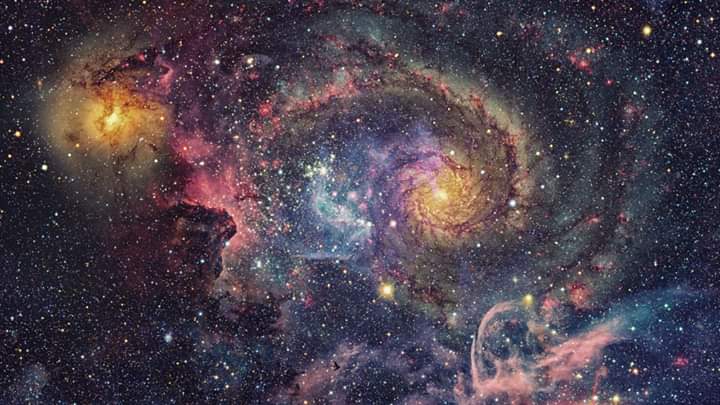
Nebula

A nebula is a cloud of gas and dust in interstellar space. Every nebula contains hydrogen and helium, plus a mixture of other gases. There are several types of nebulae (plural of “nebula): molecular clouds (also known as HII regions because they are mainly hydrogen), dark nebulae, supernova remnants, and planetary nebulae. Our galaxy has many nebulae, and astronomers have found these clouds in other galaxies, as well.

Types of Nebulae:
HII regions and dark nebulae are where stars can form. They are made mostly of hydrogen and helium, with traces of other gases and infusions of dust grains. hey are found largely in the spiral arms of our galaxy. Our own solar system was born in such a region more than 4.5 billion years ago. The best-known molecular clouds are the Orion Nebula, the Eta Carinae Nebula, The Eagle Nebula (also, known as the Pillars of Creation), the Tarantula Nebula in the Large Magellanic Cloud, the Horsehead Nebula, the Coal Sack, and the Lagoon Nebula. Most of them, except for the Coal Sack, a