9th Class Smart Syllabus 2021

9th Class Smart Syllabus 2021 is devised for the Punjab boards such as BISE Lahore, BISE Gujranwala, BISE Sahiwal, BISE Sargodha, BISE Rawalpindi, BISE Faisalabad, BISE DG Khan, BISE Multan, and BISE Bahawalpur. According to the Smart Syllabus 9th Class 2021, the paper will be based on subjective and objective questions. 

9th Class Smart Syllabus 2021
9th Class Smart Syllabus 2021

The candidates are informed to prepare by considering this scheme to get the maximum marks. As per the announced syllabus, the included topics are translation, letters, applications, and stories, completion of sentences, and correction of sentences.

9th class smart syllabus 2021 pdf download

For the convenience of the students, the specified topics have been mentioned that will facilitate them during the preparations of the exams. Moreover, the concerned officials ensure to devise the question paper according to the provided syllabus and do not include the out of syllabus questions. 

9th Class Paper Scheme

The candidates who intend to appear in the annual exams 2021 have to consider the pairing scheme during the preparation of the exams. According to the 9th class, general science paper scheme 2021 various topics are included such as introduction and role of science, our life, and chemistry, biochemistry and biotechnology, human health and diseases – cause and prevention
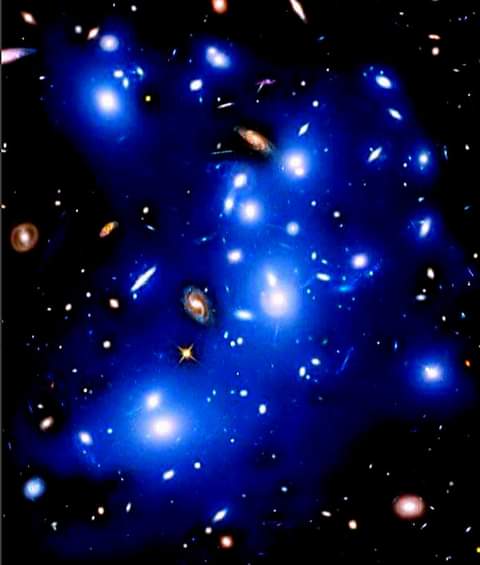
Ghost Lights

 \”Ghost Light\” from dead Galaxies encountered by Hubble Space Telescope.

NASA\’s Hubble Space Telescope has picked up the faint, Ghostly glow of stars ejected from Ancient Galaxies that were Gravitationally ripped apart several billion years ago.

The mayhem happened 4 billion light-years away, inside an immense collection of nearly 500 Galaxies.

Ghost Light
Ghost Lights

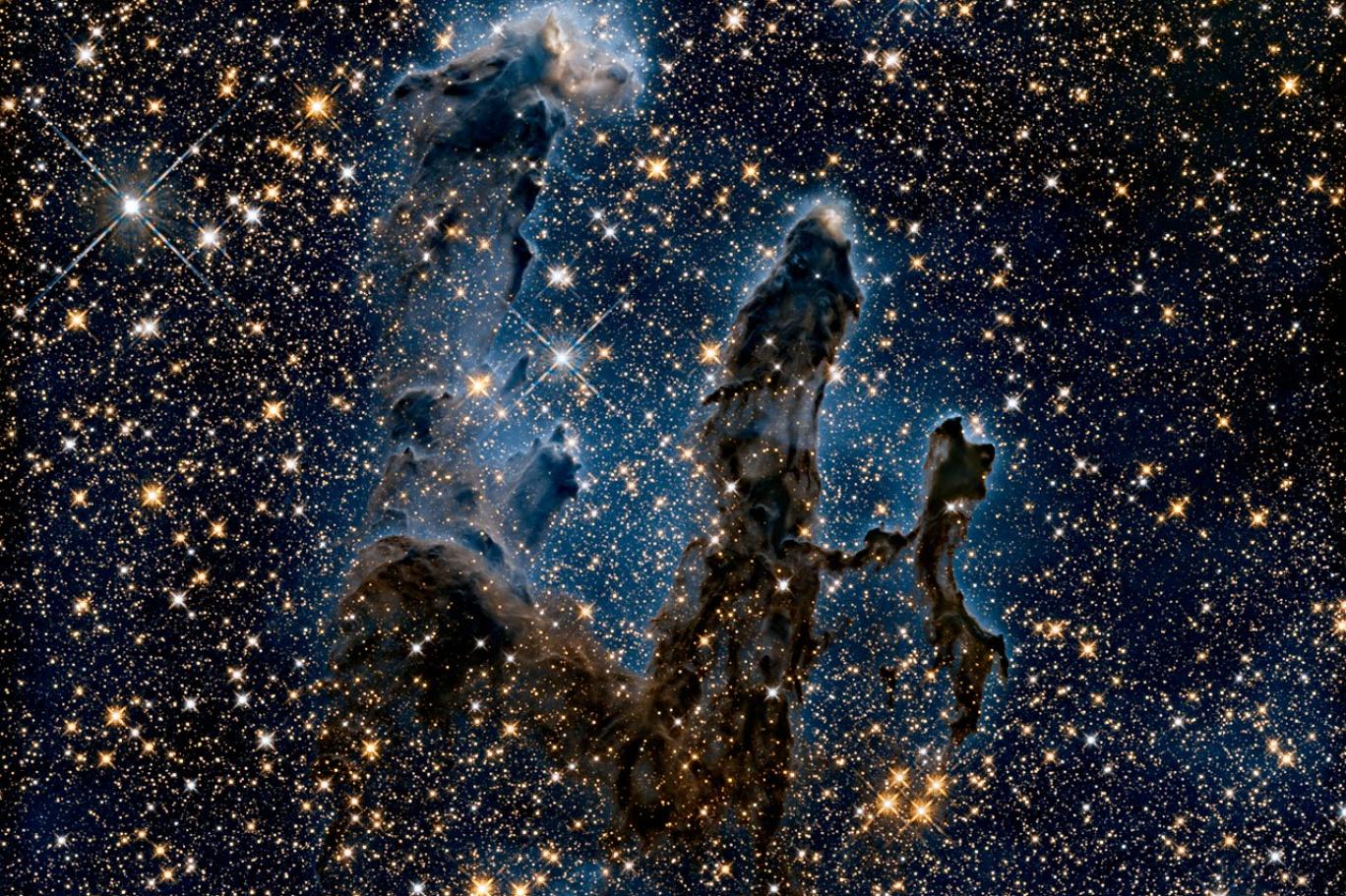
Eagle Nabula

زمین سے 5700 نوری سال کی دوری پر واقع ایگل نیبولا کی یہ تصویر خصوصی تکنیک کے ذریعے حاصل کی گئی ہے جس میں خلائی دوربین ہبل اور ایکس رے دوربین چندرا کا ڈیٹا استعمال کیا گیا۔

1995 میں اسی نیبولا کی ایک تصویر لی گئی تھی جسے ’تخلیق کے ستون‘ کا نام دیا گیا تھا اور یہ خلا کی مشہور ترین تصاویر میں سے ایک ہے۔

تاہم اب سائنس دانوں نے عام روشنی کی بجائے انفرا ریڈ شعاعوں سے کام لے کر یہ تصویر کھینچی ہے۔

نیبولا سے مراد خلا میں ستاروں کے درمیان پھیلی ہوئی گرد ہے، جو اکثر اوقات ہائیڈروجن، ہیلیئم اور دوسری گیسوں پر مشتمل ہوتے ہیں۔

ان بادلوں کو ستاروں کی نرسریاں کہا جاتا ہے کیوں کہ ان کے اندر نئے ستارے جنم لیتے ہیں۔ ان بادلوں کے ذرے کششِ ثقل کی وجہ سے قریب آتے جاتے ہیں، اور آپس میں ٹکرا کر گرم ہوتے رہتے ہیں۔ اگر ان کا وزن اور درجۂ حرارت ایک خاص حد تک پہنچ جائے تو نیا ستارہ جنم لیتا ہے۔

سائنس دانوں کا خیال ہے کہ ہمارا اپنا سورج اور نظامِ شمسی آج سے تقریباً ساڑھے چار ارب سال قبل اسی قسم کے ایک نیبولا سے وجود میں آئے تھے۔

تصویر میں دکھائے دینے والے بادل پانچ نوری سال کے علاقے میں پھیلے ہوئے ہیں۔ یہ فاصلہ تقریباً 470 کھرب کلومیٹر بنتا ہے۔

آس پاس کے ستاروں سے نکلنے والی شعاعوں اور تابکاری کی وجہ سے یہ بادل مسلسل شکل تبدیل کر رہے ہیں، اس لیے ان کی جب بھی تصویر لی جائے، یہ تھوڑی سے مختلف نظر آتے ہیں

Neutron Star

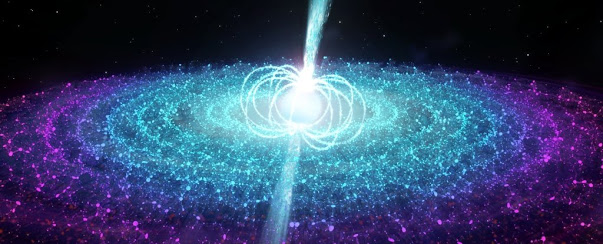
Another type of neutron star is called a magnetar. In a typical neutron star, the magnetic field is trillions of times that of the Earth’s magnetic field; however, in a magnetar, the magnetic field is another 1000 times stronger.

In all neutron stars, the crust of the star is locked together with the magnetic field so that any change in one affects the other. The crust is under an immense amount of strain, and a small movement of the crust can be explosive. But since the crust and magnetic field are tied, that explosion ripples through the magnetic field. In a magnetar, with its huge magnetic field, movements in the crust cause the neutron star to release a vast amount of energy in the form of electromagnetic radiation. A magnetar called SGR 1806-20 had a burst where in one-tenth of a second it released more energy than the sun has emitted in the last 100,000 years!

Dark Nebula

*DARK NEBULA*
A dark nebula or absorption nebula is a type of interstellar cloud that is so dense that it obscures the visible wavelengths of light from objects behind it, such as background stars and emission or reflection nebulae. The extinction of the light is caused by interstellar dust grains located in the coldest, densest parts of larger[clarification needed] molecular clouds. Clusters and large complexes of dark nebulae are associated with Giant Molecular Clouds. Isolated small dark nebulae are called Bok globules. Like other interstellar dust or material, things it obscures are only visible using radio waves in radio astronomy or infrared in infrared astronomy.

Dark clouds appear so because of sub-micrometre-sized dust particles, coated with frozen carbon monoxide and nitrogen, which effectively block the passage of light at visible wavelengths. Also present are molecular hydrogen, atomic helium, C18O (CO with oxygen as the 18O isotope), CS, NH3 (ammonia), H2CO (formaldehyde), c-C3H2 (cyclopropenylidene) and a molecular ion N2H+ (diazenylium), all of which are relatively transparent. These clouds are the spawning grounds of stars and planets, and understanding their development is essential to understanding star formation.

The form of such dark clouds is very irregular: they have no clearly defined outer boundaries and sometimes take on convoluted serpentine shapes. The largest dark nebulae are visible to the naked eye, appearing as dark patches against the brighter background of the Milky Way like the Coalsack Nebula and the Great Rift. These naked-eye objects are sometimes known as dark cloud constellations and take on a variety of names.

In the inner outer molecular regions of dark nebulae, important events take place, such as the formation of stars and masers.